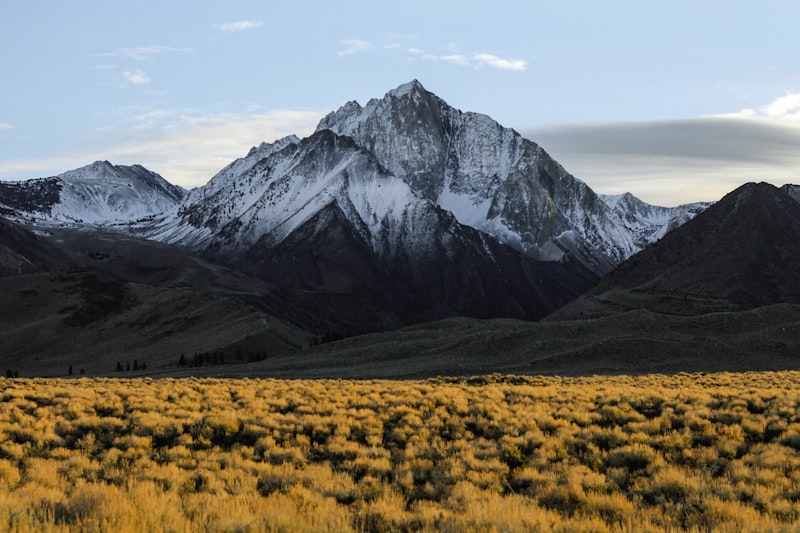
Acclimatizing Safely in the Himalayas
Acute Mountain Sickness (AMS) is the single biggest obstacle for high-altitude trekkers. At elevations above 3,000 meters, the barometric pressure drops, resulting in fewer oxygen molecules per breath. While your body is fully capable of adapting to this change, it requires time. Ascending too rapidly can lead to severe health risks.
Understanding the physiological effects of altitude, taking proactive preventative steps, and knowing how to respond to symptoms is crucial for ensuring a safe and successful expedition.
Recognizing the Symptoms of AMS
The early symptoms of altitude sickness are often compared to a severe hangover. It's vital to be honest with yourself and your guides if you experience any of the following signs:
- Headache: Usually throbbing, located around the temples or back of the head.
- Loss of Appetite: Complete disinterest in food or mild nausea.
- Fatigue: Extreme tiredness or weakness relative to the day's physical effort.
- Insomnia: Difficulty falling asleep or waking up frequently grasping for breath.
Prevention: The Key to Success
Prevention is always better than treatment. Follow these five core guidelines to keep altitude sickness at bay:
1. Gradual Ascent: The gold standard is to not increase your sleeping altitude by more than 300 to 500 meters per day once you cross 3,000 meters, and take a dedicated rest/acclimatization day every 1,000 meters.
2. Stay Hydrated: Drink 4 to 5 liters of water daily. The high altitude air is extremely dry, causing you to lose moisture rapidly with every breath.
3. Avoid Depressants: Steer completely clear of alcohol, sleeping pills, and heavy caffeine on the trail, as they dehydrate your body and depress your respiratory system.
Action Plan: If Symptoms Develop
If you or a trekking partner experience mild symptoms, the absolute first step is to **stop ascending**. Stay at your current elevation for 24 to 48 hours to allow your body to catch up. If symptoms do not improve or begin to worsen, you must **descend immediately** to a lower altitude (at least 500m to 1,000m lower). Never, under any circumstances, ascend with active symptoms of AMS.